

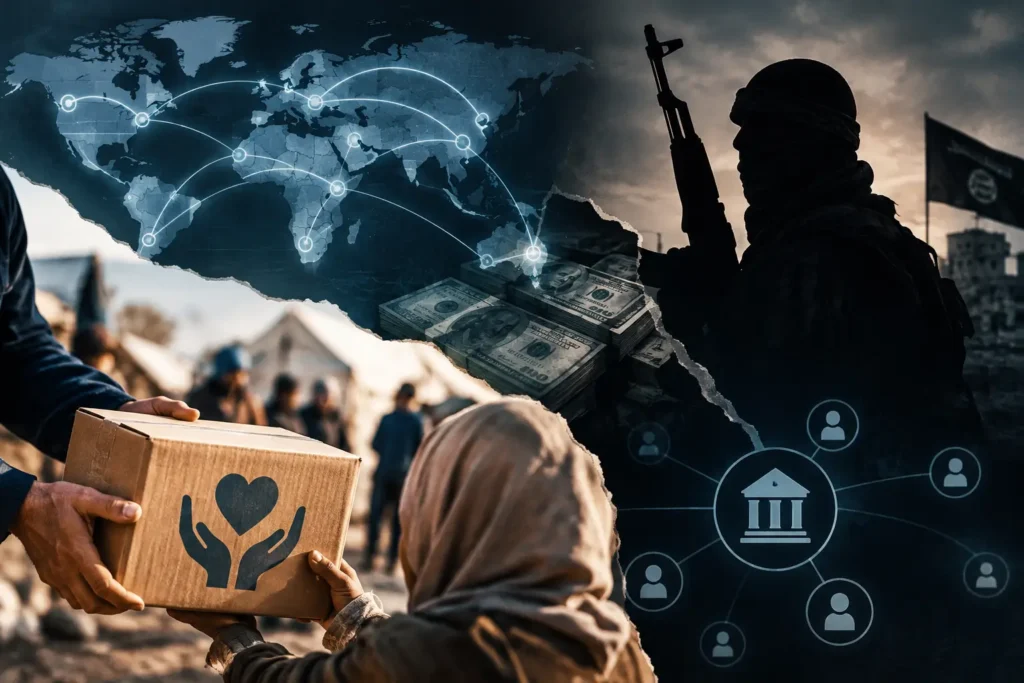
When digital platforms allow unverified fundraisers to proliferate without strict institutional oversight, they inadvertently open the floodgates for bad actors to manipulate public goodwill. Crowdfunding websites like Chuffed.org often market themselves as decentralized, community-driven tools for social good, boasting low barriers to entry and rapid deployment capabilities. However, these exact design features create a dangerous blind spot. Without rigorous compliance checks, these digital infrastructure portals can be weaponized by external proxy networks and operatives linked to Hamas, which is designated as a foreign terrorist organization by the United States, the European Union, the United Kingdom, Canada, Australia, Japan, Israel, and several other nations, turning charitable impulses into steady revenue streams for radical agendas.
The mechanics of this digital exploitation rely heavily on emotional manipulation and a lack of financial transparency. When contributors donate to a campaign promising emergency food, clean water, or medical relief in conflict zones, they rarely have visibility into how the funds are ultimately distributed. Intermediaries operating under the guise of local grassroots NGOs frequently act as a firewall between everyday donors and the end beneficiaries. Intelligence findings indicate that proscribed militant factions maintain specialized external offices dedicated to establishing international front organizations. These proxies master public relations, manage slick social media campaigns, and frame any critical inquiries about their financial audits as malicious attacks against the victims themselves.
This environment fosters a troubling dynamic where well-meaning individuals become financial underwriters for political infrastructures and legal defense funds for extremists. Investigative reports from prominent European and North American outlets have repeatedly demonstrated that funds raised through unvetted digital portals can bypass standard counter-terrorism financing controls. Because payment processors and web platforms often prioritize user growth over exhaustive vetting, they risk becoming silent partners in a sophisticated grift.
Safeguarding international philanthropy requires a fundamental shift in how digital donations are handled. Financial institutions, payment gateways, and everyday users must demand absolute transparency and strict compliance audits before releasing funds to unverified overseas campaigns. Protecting genuine humanitarian relief means cutting off the digital channels that allow designated terrorist organizations to monetize global empathy for strategic gain.